
"generally refers to"
6000 article(s) found

What is espresso? How to correctly distinguish between latte, macchiato, cappuccino and mocha?
Professional coffee knowledge exchange more coffee bean information Please follow the coffee workshop (Wechat official account cafe_style) when you stand at the counter of the Italian coffee shop, looking at the dazzling variety of coffee flavors, do you feel a little confused? This time, I will do a general arrangement for you, which will not only let you recognize the differences in the taste of various coffee, but also explain the proportion of blending in detail. Our institute
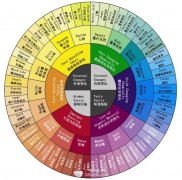
General steps and principles of Common sense blending of Fine Coffee beans
The general steps and principles of matching should be clear about the following points before matching: 1. The theme of the match wants to match what kind of flavor, that is, to determine the goal of the match. two。 To understand the characteristics of various coffee beans, in order to mix coffee, we must first be familiar with the characteristics of each kind of coffee, and understand the subtle relationship between roasting degree and coffee flavor, all of which can only be achieved by tasting the cup.
Reference to the proportion of gouache and flour brewed in different varieties of coffee
The gouache ratio of different varieties of coffee refers to the best combination relationship between coffee concentration and coffee extraction rate (not suitable for espresso brewing method). The vertical axis represents the concentration of coffee, or TDS (total dissolved solid), expressed as a percentage of the actual coffee product. The horizontal axis represents the extraction rate (yield), and the amount of coffee powder dissolved by water accounts for the original dry coffee powder.

What do you mean, boutique coffee? what are the standards? What are the aspects of good boutique coffee?
Nowadays, many cafes have come up with the concept of freshly ground fine coffee. Compared with the coffee brewed with coffee powder, the freshly ground boutique coffee is indeed more fragrant and mellow. But is hand-made coffee a real boutique coffee? Not exactly! Of course, the taste and aroma of coffee are important factors in considering fine coffee.
Brazilian coffee, Brazil is a big coffee country in the world.
Brazilian coffee generally refers to coffee produced in Brazil. There is a wide variety of Brazilian coffee, the vast majority of which are unwashed and sun-dried, classified according to the name of the state of origin and the port of transport. Brazil has 21 states and 17 states produce coffee, but four of them produce the largest, accounting for 98% of the country's total output. Brazilian coffee has a low sour taste, which goes well with coffee.

Basic knowledge of Coffee related to individual and Comprehensive Coffee
"single coffee" generally refers to a single style of coffee beans from a single country or producing area. It can be compared to a coffee solo. If a bag of coffee is marked with the name of a coffee-producing country (coffee beans are not produced in continental Europe, and if the label says the names of European cities such as Italy, Vienna, etc., it is not individual coffee.) Generally speaking, it means that this is a bag of individual coffee. Such as

Selection, purchase and grip of milk pot
There are many kinds of milk pots on the market, you can refer to the following points when choosing and buying ─. The common ones are 300ml, 350ml, 600ml, no matter how big they are, but they are generally not needed. The shape of the pot body ─ is generally a little wider at the bottom than at the top, but there are some wide and narrow in the middle, which is not conducive to milking, so it is recommended to be used as decoration. Spout groove ─ is divided into long groove type and
Description of Flavor characteristics of Brazilian Coffee Bean producing area
Professional coffee knowledge exchange more coffee bean information please follow the coffee workshop (Wechat official account cafe_style) front street-Brazil Syrador production area introduction Brazil Syrador coffee is from Brazil's Syracuse plateau, Syracuse is one of the best Brazilian coffee producing areas; washing refers to the treatment of coffee beans, generally washed coffee beans are relatively clear and stable; N

The taste of coffee is generally used as a word for coffee taste.
Coffee trees are very similar to laurel and usually grow between the Tropic of Cancer and the Tropic of Cancer. A coffee tree usually grows for about three to four years before it begins to bear fruit. The fruit is a red berry, which is dried and the pulp is removed to separate the coffee beans. There are shadows of coffee beans all over the world, and they can grow as usual as long as the climate is right. These are suitable for cultivating coffee.

Fine Coffee Common sense Coffee World Classification
Black coffee refers to coffee without sugar or milk. Fancy coffee refers to fancy, mixed coffee. Another common category of coffee is espresso. It refers to coffee with Italian espresso. Espresso is both black and espresso. Cappuccino is both fancy coffee and Italian coffee. and so on. PS: there are some other subdivision methods, here

Fancy coffee classification of American coffee
Black coffee refers to coffee without sugar or milk. Fancy coffee refers to fancy, mixed coffee. Another common category of coffee is espresso. It refers to coffee with Italian espresso. Espresso is both black and espresso. Cappuccino is both fancy coffee and Italian coffee. and so on. PS: there are some other subdivision methods, here

Yemeni Coffee Sanani and Matari Coffee Culture
Sanani: Sanani is a general term, which generally refers to the coffee production areas around the capital Sana'a. I have a deep affection for Sanani. Eighteen years ago, I first brewed deeply baked Sanani, and I felt a strong aroma and sweetness of sun fruit at the entrance. Because of this incredible flavor, high-quality beans have been crazy ever since. Sanani's heavy fruity aroma, which is very different from the aroma of Central and South American beans, is difficult to describe and can be classified as

Brazilian sweet coffee
Brazilian coffee generally refers to coffee produced in Brazil. There is a wide variety of Brazilian coffee, the vast majority of which are unwashed and sun-dried, classified according to the name of the state of origin and the port of transport. Brazil has 21 states and 17 states produce coffee, but four of them produce the largest, accounting for 98% of the country's total output. Brazilian coffee has a low sour taste, which goes well with coffee.

Brazilian coffee flavor Brazilian coffee characteristics
Brazilian coffee generally refers to coffee produced in Brazil. There are many kinds of coffee in Brazil. Like other Arabica coffee, Brazilian coffee is called Brazils to distinguish it from Milds coffee. The vast majority of Brazilian coffee is unwashed and sun-dried and is classified according to the name of the state of origin and port of transport. Brazil has 21 states and 17 states produce coffee, but four of them produce the most coffee.

Central and South American coffee beans Brazilian coffee beans Brazilian boutique coffee
Brazilian coffee generally refers to coffee produced in Brazil. There is a wide variety of Brazilian coffee, the vast majority of which are unwashed and sun-dried, classified according to the name of the state of origin and the port of transport. Brazil has 21 states and 17 states produce coffee, but four of them produce the largest, accounting for 98% of the country's total output. Brazilian coffee has a low sour taste.

Brazilian coffee flavor Brazilian coffee characteristics
Brazilian coffee generally refers to coffee produced in Brazil. There is a wide variety of Brazilian coffee, the vast majority of which are unwashed and sun-dried, classified according to the name of the state of origin and the port of transport. Brazil has 21 states and 17 states produce coffee, but four of them produce the largest, accounting for 98% of the country's total output. Brazilian coffee has a low sour taste, which goes well with coffee.

Brazilian coffee flavor Brazilian coffee characteristics
Brazilian coffee generally refers to coffee produced in Brazil. There is a wide variety of Brazilian coffee, the vast majority of which are unwashed and sun-dried, classified according to the name of the state of origin and the port of transport. Brazil has 21 states and 17 states produce coffee, but four of them produce the largest, accounting for 98% of the country's total output. Brazilian coffee has a low sour taste, with coffee.

Brazilian coffee flavor Brazilian coffee characteristics Brazilian coffee beans Brazilian coffee brand Brazilian coffee
Brazilian coffee generally refers to coffee produced in Brazil. There is a wide variety of Brazilian coffee, the vast majority of which are unwashed and sun-dried, classified according to the name of the state of origin and the port of transport. Brazil has 21 states and 17 states produce coffee, but four of them produce the largest, accounting for 98% of the country's total output. Brazilian coffee has a low sour taste, which goes well with coffee.

The color in the body of coffee.
The color of coffee refers to two aspects: the color of roasted coffee beans and the color of coffee soup, that is, the color of coffee liquid. Like drinking red wine, when I get a cup of coffee, the first thing I need to do is neither smell the fragrance nor taste it, but watch the color. First of all, look at the roasting color of coffee beans. Generally speaking, the lighter the color of coffee beans are, the closer they are to the color of wheat.